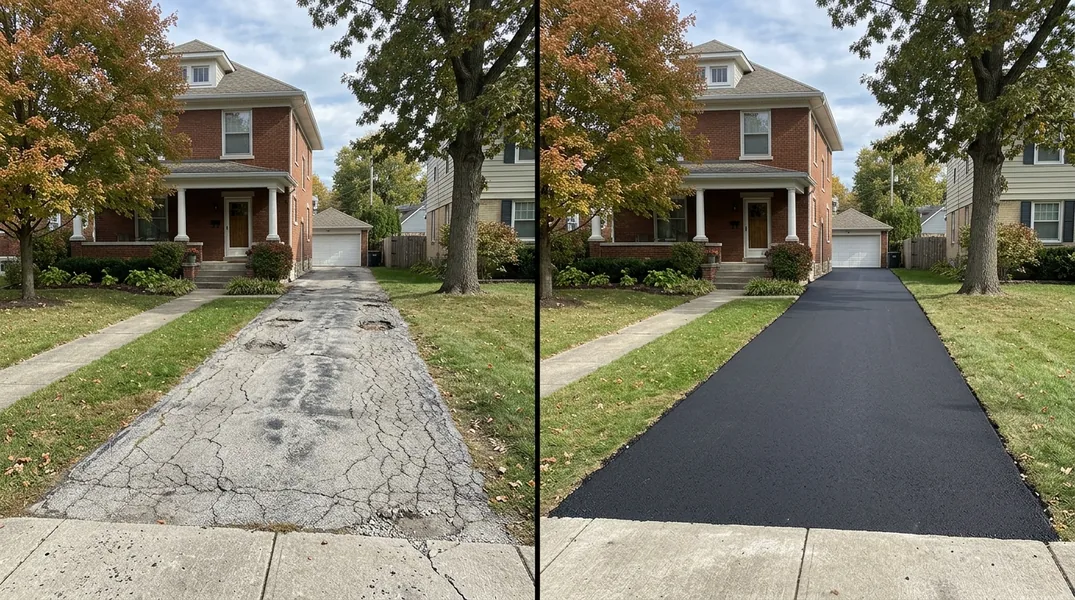
What Is Alligator Cracking and Why Does It Happen?
Alligator cracking, also called crazing or alligatoring, is a pattern of interconnected cracks that resembles the skin of an alligator. If you've noticed this distinctive web-like pattern spreading across your Asphalt Driveway Paving & Installation, it's a sign that your pavement is experiencing structural stress. These cracks typically start small but expand rapidly, creating a network that weakens the entire surface.
The primary cause of alligator cracking is fatigue failure in the asphalt layer. This happens when your driveway experiences repeated stress from vehicle weight, temperature fluctuations, and moisture infiltration. In Beech Grove, Indiana's freeze-thaw cycles are particularly damaging. Water seeps into small cracks, freezes during winter, expands, and pushes the asphalt apart. When spring arrives and the ice melts, those gaps remain, allowing more water to penetrate deeper into the base layer. Over time, this cycle weakens the foundation beneath your driveway, and the surface begins to fail catastrophically.
Another common culprit is inadequate base preparation during the original installation. If the subgrade wasn't properly compacted or if drainage issues exist, the asphalt lacks the structural support it needs. Overloading your driveway with heavy vehicles or equipment can also accelerate alligator cracking, especially if the asphalt wasn't designed to handle that weight. Additionally, if you haven't maintained proper new asphalt driveway care habits like regular sealing, UV rays and oxidation will break down the asphalt binder, making it more brittle and susceptible to cracking.
Repair or Replace: How to Assess the Damage
The decision to repair or replace your driveway depends on several factors, including the extent of the cracking, the age of your asphalt, and your budget. As a general rule, if alligator cracking covers less than 25 percent of your driveway's surface and the damage is relatively shallow, Driveway Repair options like Pothole Repair & Asphalt Patching or crack filling may be sufficient. However, if the cracking covers more than 25 to 30 percent of the surface, or if the cracks are deep and the edges are crumbling, replacement or full resurfacing is typically the more cost-effective long-term solution.
The age of your driveway is another critical consideration. Most asphalt driveways last between 15 and 20 years with proper maintenance. If your driveway is nearing the end of that lifespan and showing alligator cracking, investing in a full replacement makes more sense than repeatedly patching. Conversely, if your driveway is only 5 to 10 years old and the cracking is limited, repairs may extend its life significantly. You should also consider whether the cracks are spreading rapidly. If you notice new cracks appearing every few months, the underlying structural problem is worsening, and repair alone won't solve it.
Asphalt Resurfacing & Overlay is an excellent middle-ground option for many homeowners. This process involves applying a new layer of asphalt over the existing surface, which can hide minor to moderate alligator cracking and add years to your driveway's life. However, if the base layer is severely compromised, even resurfacing won't prevent the cracks from eventually returning. Indianapolis Asphalt Paving can assess your specific situation during a free inspection to recommend the best approach for your property.
How Long for Asphalt to Cure: Understanding the Timeline
If you decide to move forward with Asphalt Driveway Paving & Installation, it's important to understand that the curing process doesn't happen overnight. How long for asphalt to cure is one of the most common questions homeowners ask, and the answer depends on several environmental factors. Generally, new asphalt will cure completely within 6 to 12 months, though it reaches a usable state much sooner. The initial cure phase takes about 48 to 72 hours, during which the asphalt becomes firm enough for light traffic.
Temperature and humidity play significant roles in the curing timeline. Warm, dry weather accelerates the process, while cold and wet conditions slow it down considerably. In Beech Grove, spring and summer installations cure faster than fall or winter projects. The asphalt continues to harden and strengthen for weeks and months after installation as the oils within the binder continue to oxidize. This is why how long before you can drive on new asphalt is different from how long it takes to fully cure. While your driveway may feel solid after a few days, it's still vulnerable to damage from heavy vehicles or sharp turns during the first few weeks.
To protect your investment during the curing period, avoid parking heavy vehicles on the new asphalt for at least 48 hours. Keep the surface clean and dry, and don't allow standing water to accumulate. Avoid using the driveway for anything other than light, straight-line driving for the first week. This early care significantly impacts the longevity of your new driveway and helps ensure it develops the strength needed to resist future alligator cracking.
New Asphalt Driveway Care: Maintenance to Prevent Alligator Cracking
New asphalt driveway care is essential for preventing the alligator cracking problems that plague many Indianapolis-area homeowners. The most critical maintenance task is seal coating, which creates a protective barrier against water, UV rays, and oxidation. Most experts recommend seal coating your driveway every 2 to 3 years, and you should have this done for the first time approximately 6 to 12 months after installation. This timing allows the asphalt to cure fully before applying the sealant. How often to seal driveway depends on your local climate and how much traffic your driveway receives, but the 2 to 3 year interval is a solid baseline for most homeowners.
Beyond seal coating, regular cleaning and crack maintenance are vital. Sweep your driveway regularly to remove debris, and wash it with a gentle spray to prevent dirt accumulation that can trap moisture. Fill any small cracks immediately with crack filler to prevent water from seeping into the base layer. In Indiana's climate, where freeze-thaw cycles are common, this proactive approach can add years to your driveway's lifespan. Avoid using harsh deicing chemicals during winter, as these can accelerate asphalt deterioration. Instead, use sand or kitty litter for traction, and remove snow promptly to minimize water exposure.
You should also be mindful of how you use your driveway. Avoid parking in the same spot repeatedly, as this concentrates stress on one area and can accelerate cracking. Keep heavy vehicles off the surface if possible, and don't use your driveway for activities like pressure washing or grinding that can damage the asphalt. These simple maintenance habits, combined with regular seal coating, significantly reduce the risk of developing alligator cracking and help your driveway reach its full 15 to 20 year lifespan.
Asphalt Driveway Paving & Installation Cost in Beech Grove: What to Budget
Understanding the pricing for driveway repairs versus replacement helps you make an informed decision. Crack filling and patching typically range from a few hundred to a couple thousand dollars, depending on the extent of damage. Asphalt Resurfacing & Overlay usually costs between $1.50 and $3.00 per square foot, making it a mid-range option for driveways showing moderate wear. Full driveway replacement is more expensive, typically ranging from $3.00 to $6.00 per square foot, but it provides a long-term solution and comes with a warranty on the new installation.
The total cost depends on your driveway's size, the severity of the damage, and local labor rates. A 500-square-foot driveway might cost $750 to $1,500 for resurfacing, or $1,500 to $3,000 for replacement. While these numbers may seem significant, remember that delaying repairs often leads to more expensive problems. Once alligator cracking develops, water infiltration accelerates, eventually compromising the base layer. What starts as a repair issue can quickly become a replacement-level problem if left unaddressed. Indianapolis Asphalt Paving offers transparent pricing and can provide a detailed estimate based on your specific situation.
When to Call a Professional Asphalt Contractor Near Me
If you've identified alligator cracking on your driveway, now is the time to contact a professional. Attempting DIY repairs on extensive cracking often leads to subpar results and can actually worsen the problem if not done correctly. A qualified asphalt contractor has the equipment, expertise, and materials needed to properly assess your driveway and recommend the best solution. Indianapolis Asphalt Paving serves the Beech Grove area and offers comprehensive evaluations to determine whether repair, resurfacing, or replacement is right for your property.
When you reach out for a free estimate, be prepared to discuss the age of your driveway, the extent of the cracking, any drainage issues you've noticed, and your long-term plans for the property. Professional contractors can identify underlying problems that may not be obvious to the untrained eye, such as poor drainage or inadequate base preparation. They can also explain the expected lifespan of each repair option and help you understand the long-term value of your investment. Don't wait until alligator cracking becomes severe. Contact Indianapolis Asphalt Paving today at (463) 800-7587 to schedule your free inspection and get started on protecting your driveway.
Looking for a professional asphalt paving contractor in Beech Grove? Indianapolis Asphalt Paving responds fast for all your asphalt paving needs.
Get a Free Quote